Introduction
SS Filler Wire, also known as stainless steel filler wire, is a critical component in modern welding processes used across industries like construction, food processing, pharmaceuticals, and oil & gas. It plays a key role in ensuring strong, corrosion-resistant, and durable weld joints.
Whether you are working with TIG (GTAW) or MIG (GMAW) welding, choosing the right SS welding wire directly impacts weld quality, structural integrity, and long-term performance. With various grades, compositions, and applications available, selecting the right filler material can be challenging.
In this guide, we’ll cover everything you need to know about SS filler wire—including types, grades, properties, applications, and how to choose the best one for your needs.
What is SS Filler Wire?
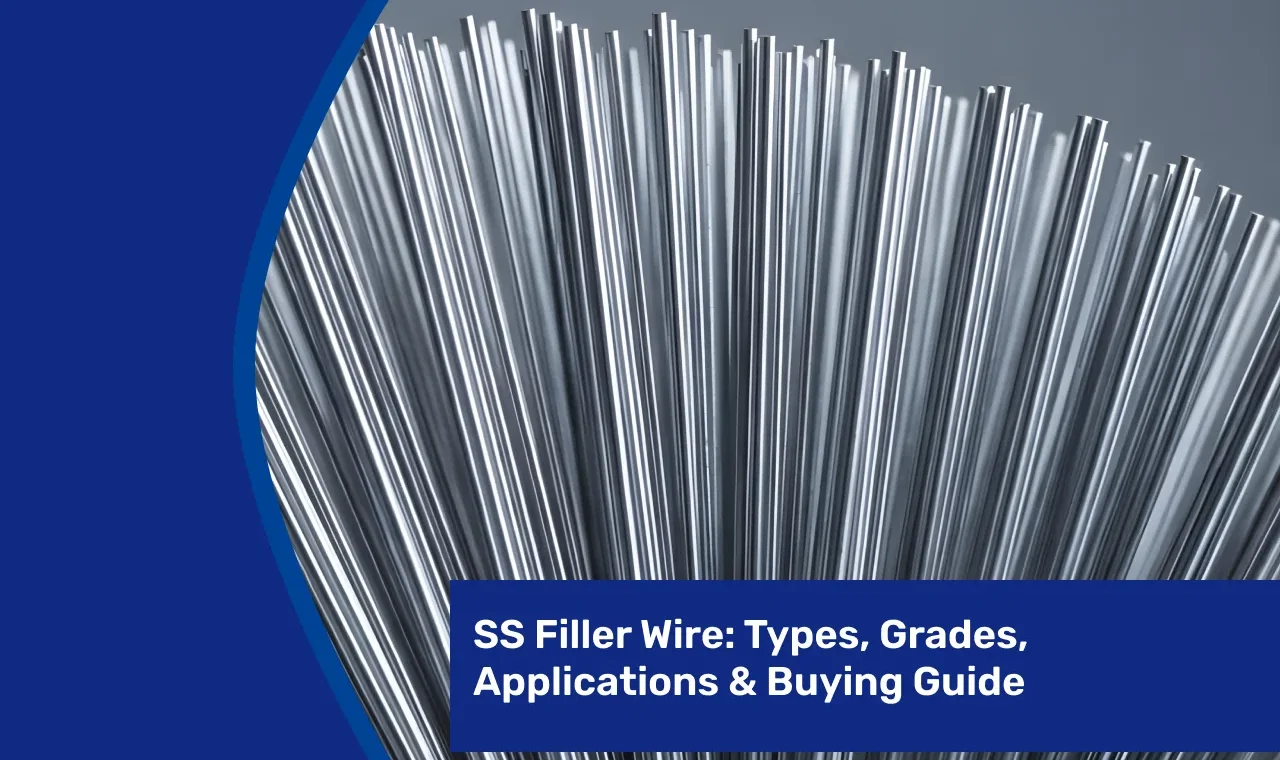
SS Filler Wire (Stainless Steel Filler Wire) is a specialized welding consumable used to join stainless steel components by filling the gap between base metals during the welding process. When heated, the wire melts and fuses with the parent material, creating a strong, durable, and uniform weld joint.
It is widely used in advanced welding techniques such as TIG (GTAW) and MIG (GMAW), where maintaining the integrity and corrosion resistance of stainless steel is critical. Unlike welding electrodes, which may also carry electrical current, SS filler wires are primarily designed to add material to the weld pool, allowing better control over weld quality, penetration, and finish.
From an industry standpoint, selecting the correct stainless steel filler wire is essential to prevent common welding defects such as cracking, weak joints, or corrosion failure—especially in high-performance applications like pipelines, food processing equipment, and chemical plants.
Types of SS Filler Wire
SS filler wires come in various types based on welding processes and applications, and selecting the right one ensures optimal weld quality, efficiency, and performance.
1. TIG Filler Wire (GTAW – Gas Tungsten Arc Welding)
TIG filler wire is used in Gas Tungsten Arc Welding (GTAW), a precision welding process that uses a non-consumable tungsten electrode. The SS filler wire is manually fed into the weld pool, allowing the welder to maintain excellent control over the welding process.
This method is widely preferred for applications where accuracy, clean welds, and superior finish are critical.
Best For:
- Precision and detailed welding work
- Thin stainless steel materials
- High-quality, clean, and aesthetic finishes
- Industries like food processing, pharmaceuticals, and aerospace
TIG welding wires with SS filler wire produces minimal spatter and excellent corrosion-resistant joints, making it ideal for critical and hygienic applications.
2. MIG Filler Wire (GMAW – Gas Metal Arc Welding)
MIG filler wire is used in Gas Metal Arc Welding (GMAW), where the wire is continuously fed through a welding gun. This process is faster and more efficient compared to TIG welding, making it suitable for high-volume and industrial applications.
It offers a good balance between speed, productivity, and weld strength.
Best For:
- Large-scale industrial production
- Welding thicker stainless steel sections
- Automated and semi-automated welding systems
- Manufacturing, construction, and heavy fabrication
MIG welding wire with stainless steel filler wire is highly efficient for repetitive tasks, reducing labor time while maintaining consistent weld quality.
3. Flux-Cored SS Wire
Flux-cored stainless steel wire contains a flux compound inside the wire, which generates a shielding gas during welding. This reduces or eliminates the need for an external shielding gas, making it highly practical for certain environments.
It is especially effective in challenging conditions where traditional shielding methods are difficult to maintain.
Best For:
- Outdoor and field welding applications
- Heavy-duty and structural welding
- Windy or harsh environmental conditions
- Situations with limited access to shielding gas
Flux-cored SS wire provides deeper penetration and strong welds, making it a reliable choice for heavy fabrication and repair work.
SS Filler Wire Grades Explained
Choosing the right SS filler wire grade ensures proper metal compatibility, strong weld quality, and long-lasting corrosion resistance for specific applications.
ER304 / ER308 – General Purpose Stainless Steel Welding
ER304 and ER308 are among the most widely used stainless steel filler wire grades for everyday welding applications. These grades are specifically designed to weld austenitic 304 stainless steels.
Key Features:
- Excellent corrosion resistance in normal environments
- Good strength and durability
- Smooth weld finish with minimal defects
Best Applications:
- General fabrication and structural work
- Food processing equipment
- Kitchen and sanitary stainless steel products
Expert Insight: ER308 is often preferred over ER304 due to its slightly higher alloy content, which improves weld quality and reduces the risk of cracking.
ER309 – Dissimilar Metal Welding
ER309 filler wire is specially formulated for welding dissimilar metals, such as stainless steel to carbon steel or low-alloy steel.
Key Features:
- High resistance to thermal cracking
- Strong bonding between different metal types
- Good heat resistance
Best Applications:
- Cladding and overlay work
- Repair and maintenance welding
- Joining stainless steel to mild steel
Expert Insight: ER309 is widely used in industrial repair jobs where material compatibility is a concern, ensuring reliable and long-lasting welds.
ER316 / ER316L – Superior Corrosion Resistance
ER316 and ER316L filler wires contain molybdenum, which significantly enhances resistance to corrosion, especially in chloride-rich and harsh chemical environments.
Key Features:
- resistance to pitting and crevice corrosion
- High strength in aggressive environments
- Low carbon variant (ER316L) reduces carbide precipitation and improves weldability
Best Applications:
- Marine and offshore structures
- Chemical and petrochemical industries
- Pharmaceutical and food-grade equipment
Expert Insight: ER316L is preferred for critical applications because its low carbon content minimizes the risk of intergranular corrosion, ensuring long-term durability.
Key Properties of SS Filler Wire
Understanding SS filler wire properties helps in selecting the right material for strong, durable, and corrosion-resistant welding performance.
1. Excellent Corrosion Resistance
SS filler wires are specifically engineered to resist rust, oxidation, and chemical attack, making them ideal for use in aggressive environments such as marine, chemical, and food processing industries.
Expert Insight: The presence of chromium forms a protective oxide layer on the weld surface, preventing corrosion and extending service life.
2. High Tensile Strength
Stainless steel filler wires provide strong metallurgical bonding, ensuring that welded joints can withstand high mechanical stress, pressure, and load-bearing conditions.
Expert Insight: This makes them suitable for structural, industrial, and heavy-duty fabrication where joint strength is critical.
3. Superior Heat Resistance
SS filler wires maintain their mechanical properties and structural stability even at elevated temperatures, making them reliable for high-heat applications.
Expert Insight: They are commonly used in industries like power generation, petrochemical processing, and exhaust systems where thermal resistance is essential.
4. Optimized Chemical Composition
SS filler wires contain key alloying elements such as chromium, nickel, and molybdenum, which enhance corrosion resistance, strength, and overall weld performance.
Expert Insight: The balanced composition ensures compatibility with different stainless steel grades and helps achieve defect-free, high-quality welds.
Applications of SS Filler Wire
SS filler wire is widely used across industries for its corrosion resistance, strength, and durability, making it ideal for long-lasting welding applications.
1. Industrial Manufacturing
SS filler wire is extensively used in fabrication, heavy machinery, and structural components, where strong and durable welds are required.
Key Uses:
- Equipment manufacturing
- Structural steel fabrication
- Automotive and engineering components
Its high tensile strength ensures that welded joints can withstand heavy loads and continuous mechanical stress.
2. Food & Beverage Industry
In this industry, hygiene and corrosion resistance are critical. SS filler wire ensures clean, contamination-free welds that meet strict safety standards.
Key Uses:
- Food processing equipment
- Dairy and beverage plants
- Stainless steel storage tanks
Stainless steel welds prevent bacterial growth and are easy to clean, making them ideal for sanitary applications.
3. Oil & Gas Sector
SS filler wire is widely used in pipelines, refineries, and offshore structures, where materials are exposed to harsh environments and extreme conditions.
Key Uses:
- Pipeline welding
- Pressure vessels
- Offshore rigs
Its resistance to corrosion and high temperatures makes it suitable for critical energy infrastructure.
4. Pharmaceutical Industry
Precision and purity are essential in pharmaceutical manufacturing. SS filler wire ensures high-quality, contamination-free welds.
Key Uses:
- Pharmaceutical equipment
- Cleanroom systems
- Chemical processing units
The use of low-carbon grades like ER316L helps prevent contamination and ensures compliance with industry standards.
5. Water Treatment Plants
SS filler wire is ideal for corrosion-resistant piping systems used in water treatment and purification processes.
Key Uses:
- Water pipelines and tanks
- Filtration systems
- Desalination plants
Its ability to resist rust and chemical exposure ensures long-lasting performance in water environments.
How to Choose the Right SS Filler Wire (Buying Guide)
Choosing the right SS filler wire ensures strong weld quality, durability, and corrosion resistance based on application and environmental needs.
Base Metal Compatibility
Always match the filler wire grade with the base metal to ensure proper metallurgical bonding and avoid defects such as cracking or corrosion.
For example, ER308 is commonly used for welding 304 stainless steel, while ER316L is ideal for more corrosion-resistant applications.
Welding Process (TIG, MIG, or Flux-Cored)
The choice of welding process determines the type of filler wire required.
- TIG (GTAW): Best for precision and clean welds
- MIG (GMAW): Suitable for speed and high-volume production
- Flux-Cored: Ideal for outdoor and heavy-duty applications
Selecting the correct process improves efficiency, weld quality, and overall productivity.
Environmental Conditions
Consider the operating environment where the welded component will be used.
- High moisture or marine conditions → choose corrosion-resistant grades like ER316L
- High-temperature environments → select heat-resistant filler wires
Environmental factors play a major role in preventing premature weld failure.
Mechanical Properties
Evaluate key mechanical properties such as:
- Tensile strength
- Elongation
- Impact resistance
These properties ensure the weld joint can withstand stress, pressure, and long-term usage.
Standards & Certifications
Always choose SS filler wires that comply with recognized industry standards such as:
- AWS (American Welding Society)
- ASTM (American Society for Testing and Materials)
- ISO certifications
Certified products guarantee consistent quality, safety, and performance across industrial applications.
SS Filler Wire Price Factors in India
SS filler wire prices in India vary based on grade, size, brand, and market factors, making it important to choose wisely for cost-effective performance.
- Grade of Stainless Steel (304, 316, etc.): The grade of SS filler wire significantly impacts pricing. Higher-grade materials like ER316/316L, which offer superior corrosion resistance, are generally more expensive than standard grades like ER304 or ER308.
- Wire Diameter and Thickness: The size of the filler wire, including its diameter and thickness, affects both material usage and cost.
- Brand and Manufacturer: Established manufacturers with certified quality standards often price their products higher due to reliability, consistency, and compliance with international standards.
- Bulk Purchasing Quantity: Buying SS filler wire in bulk can significantly reduce the price per kg, making it a cost-effective option for large-scale industrial operations.
- Raw Material Costs & Market Demand: The price of SS filler wire is also influenced by fluctuations in raw materials such as nickel, chromium, and molybdenum, along with market demand and supply conditions.
Standards, Certifications & Quality Checks
Using SS filler wire that meets international standards ensures consistent quality, safety, and reliable long-term performance.
International Standards & Certifications
High-quality SS filler wires are manufactured in accordance with globally accepted standards, including:
- AWS (American Welding Society): Defines classifications such as ER308, ER309, and ER316, ensuring proper chemical composition and welding performance.
- ASTM (American Society for Testing and Materials): Sets material quality benchmarks and testing procedures for stainless steel products.
- ISO Certifications: Ensure consistent manufacturing processes, quality management, and product reliability across industries.
Using certified SS filler wire reduces the risk of weld failure, improves consistency, and ensures compliance with industrial regulations.
Quality Checks and Testing Methods
To maintain high performance and reliability, SS filler wires undergo strict quality control processes, including:
- Chemical Composition Testing: Verifies the presence of key elements like chromium, nickel, and molybdenum to ensure proper corrosion resistance and strength.
- Mechanical Strength Testing: Evaluates tensile strength, elongation, and impact resistance to ensure durability under stress.
- Surface Finish Inspection: Ensures the wire is free from defects such as cracks, contamination, or irregularities that may affect weld quality.
Consistent quality testing ensures defect-free welding, better arc stability, and improved overall performance in critical applications.
Common Mistakes to Avoid When Using SS Filler Wire
Avoiding common SS filler wire mistakes ensures high-quality welds, durability, and cost-effective performance.
- Choosing the Wrong Grade: Using an incorrect filler wire grade can lead to poor compatibility with the base metal, resulting in cracking, corrosion, or weak weld joints. Always match the filler wire grade (e.g., ER308, ER316L) with the base material for reliable and defect-free welding.
- Ignoring Welding Parameters: Incorrect settings such as current, voltage, or travel speed can negatively affect weld quality, causing issues like porosity, lack of fusion, or uneven weld beads. Follow recommended welding parameters for the selected SS filler wire to ensure consistent results.
- Improper Storage and Handling: Exposure to moisture, dust, or contaminants can degrade the quality of SS filler wire, leading to welding defects. Store filler wire in a dry, clean, and controlled environment to maintain its chemical integrity and performance.
- Using Low-Quality or Uncertified Wire: Low-grade or non-certified filler wires may not meet industry standards, resulting in inconsistent weld quality and potential failure in critical applications. Always choose SS filler wire that complies with AWS, ASTM, or ISO standards to ensure safety and reliability.
Top SS Filler Wire Manufacturers & Suppliers in India
Choosing the right SS filler wire supplier in India ensures consistent quality, reliable performance, and expert support for long-term industrial use.
Product Quality and Certifications
Always select suppliers that offer high-quality SS filler wire compliant with international standards such as AWS, ASTM, and ISO. Certified products ensure consistent chemical composition, superior weld performance, and reduced risk of defects.
Industry Experience and Reputation
Suppliers with proven industry experience are more likely to understand application-specific requirements and deliver reliable solutions. Established manufacturers often provide better quality control, process consistency, and technical knowledge.
Availability of Multiple Grades
A good supplier should offer a wide range of SS filler wire grades such as ER308, ER309, and ER316L to meet diverse industrial needs. Access to multiple grades allows you to choose the most suitable wire for specific environments and applications.
Competitive Pricing and Bulk Options
Cost-effectiveness is important, especially for large-scale operations. Look for suppliers that offer competitive pricing and bulk purchasing options. Bulk orders can significantly reduce overall procurement costs without compromising quality.
Technical Support and After-Sales Service
Reliable suppliers provide technical guidance, welding recommendations, and after-sales support to help you achieve optimal results. Strong technical support ensures proper product selection and minimizes operational issues.
Conclusion
SS filler wire plays a critical role in creating strong, durable, and corrosion-resistant welds across industries, from industrial manufacturing to food processing, pharmaceuticals, and oil & gas. Choosing the right grade, type, and quality directly impacts weld performance, longevity, and safety of welded structures.
For your welding projects, contact us for SS filler wire to get expert guidance, select the right grade and type, and ensure reliable, defect-free welds every time.
FAQs (Frequently Asked Questions)
1. What is SS filler wire used for?
SS filler wire is used to join stainless steel components in welding by filling the gap between base metals. It creates strong, corrosion-resistant, and durable weld joints, making it essential for industries like construction, manufacturing, oil & gas, and food processing.
2. Which SS filler wire is best for TIG welding?
The best SS filler wire for TIG welding is ER308 for general stainless steel and ER316L for high corrosion resistance. The choice depends on the base metal and application, with ER316L preferred for marine, chemical, and pharmaceutical environments.
3. What is the difference between ER308 and ER316 SS filler wire?
ER316 SS filler wire contains molybdenum, which provides better corrosion resistance than ER308. While ER308 is used for general welding, ER316 is ideal for harsh environments like marine and chemical industries requiring higher durability.
4. What is the price of SS filler wire in India?
SS filler wire price in India typically ranges based on grade, size, and brand, and is calculated per kg. Higher grades like ER316 cost more than ER308 due to enhanced corrosion resistance and alloy content.
5. How should SS filler wire be stored?
SS filler wire should be stored in a dry, clean, and moisture-free environment to prevent contamination and oxidation. Proper storage maintains welding quality, ensures consistent performance, and reduces the risk of defects during the welding process.